If you have been searching “how much do braces cost” for longer than five minutes, you have probably noticed that the internet is full of wide ranges and almost no useful specifics. The truth is that braces cost is genuinely variable because it depends on factors that only an orthodontist can assess after seeing your teeth in person.
But there is enough data available to give you real ballpark numbers, explain what drives the cost up or down, and help you walk into a consultation knowing exactly what questions to ask. That is what this guide does. Orthodontic Excellence in Newcastle offers free consultations, so you can get a precise number for your specific case without spending anything upfront.
How Much Do Braces Cost? The Real Numbers
Here is the honest breakdown. These are national averages based on current data. Your actual cost may be higher or lower depending on your location, the provider, and how complex your case is.
| Braces Type | Average Cost Range | Treatment Length | Best For |
|---|---|---|---|
| Metal braces | $3,000 to $7,000 | 18 to 24 months | All ages, all complexity |
| Ceramic braces | $4,000 to $8,000 | 18 to 24 months | Teens and adults wanting discretion |
| Lingual braces | $8,000 to $13,000 | 18 to 36 months | Adults wanting hidden appliances |
| Invisalign | $3,500 to $8,500 | 12 to 24 months | Mild to complex, adults and teens |
| Invisalign Lite | $2,500 to $4,500 | 3 to 6 months | Minor corrections only |
For context: the question of how much do braces cost in the Pacific Northwest, including the Eastside communities of Issaquah, Bellevue, Renton, and Newcastle, typically falls in the middle to upper portion of those national ranges. Specialist orthodontist practices like Orthodontic Excellence charge based on case complexity rather than a flat rate, which means a simpler case will cost meaningfully less than a complex bite correction even within the same practice.
What Actually Drives the Cost of Braces Up or Down

Case Complexity
This is the single biggest variable. Straightening mildly crowded teeth and correcting a significant overbite with severe crowding are not the same procedure. More complex cases require more aligner trays or more wire adjustments, longer total treatment time, and more clinical skill to plan and execute. If your quote is significantly higher than average, case complexity is usually why.
Type of Braces
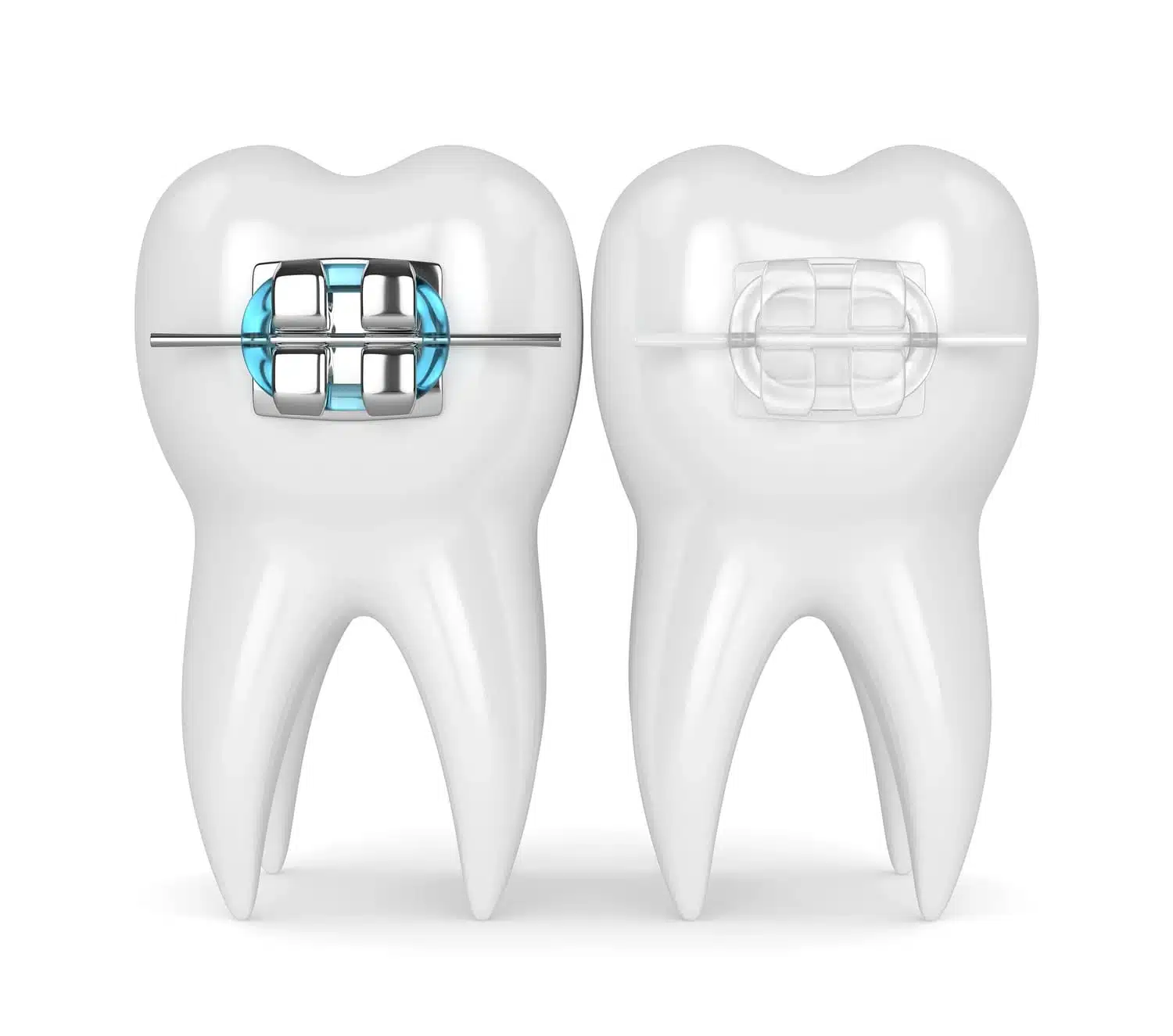
Traditional metal braces are consistently the most affordable fixed appliance option. Ceramic clear braces cost somewhat more because the materials are pricier and require more precise handling. Lingual braces (bonded behind the teeth) cost significantly more because of the technical difficulty of placement and adjustment. Invisalign falls across a wide range depending on which tier of the system is used.
Provider Type
A general dentist offering braces typically charges less than a board-certified orthodontic specialist. The trade-off is that orthodontists complete two to three additional years of full-time training focused entirely on tooth movement and bite mechanics. For straightforward cases the difference may not matter much. For anything complex, the specialist’s diagnostic depth and treatment planning precision are worth the premium.
Geographic Location
Practice costs in metro areas and higher cost-of-living regions are higher than in rural areas. That is simply how overhead works. The Pacific Northwest Eastside, where Orthodontic Excellence is based, reflects regional market rates.
Insurance Coverage
Many dental insurance plans include a lifetime orthodontic benefit, typically between $1,000 and $2,500. That amount applies to your total case cost regardless of whether you choose braces or Invisalign. Confirming your specific benefit before your consultation is one of the most useful things you can do to understand your real out-of-pocket number.
The cheapest quote is not always the best deal. Practices that underquote often charge separately for retainers, refinements, and additional appointments. Ask any provider for an all-inclusive total before comparing numbers.
Is the Cost of Braces Worth It?
 This question gets asked a lot and it deserves a direct answer. The functional benefits of properly aligned teeth and a corrected bite compound over decades. Teeth that meet correctly wear more evenly, are easier to clean, carry lower long-term risk of gum disease, and put less strain on the jaw joint. The cosmetic benefit is real and immediate, but it is the functional benefit that makes orthodontic investment worthwhile even for patients who are not particularly bothered by how their teeth look.
For families still deciding between braces and clear aligners, the braces vs. clear aligners comparison at Orthodontic Excellence covers the cost, compliance, and clinical trade-offs between the two options in more detail.
How to Reduce What You Pay Out of Pocket
- Use your insurance benefit: Confirm your lifetime orthodontic maximum and whether Invisalign is covered at the same rate as braces. Most plans treat them equally.
- Use your FSA or HSA: Orthodontic treatment is an eligible expense under most Flexible Spending Accounts and Health Savings Accounts. Pre-tax dollars reduce the real cost by your marginal tax rate.
- Ask about payment plans: Most orthodontic practices, including Orthodontic Excellence, offer in-office monthly payment arrangements that spread the cost over the treatment period with little or no interest.
- Get the treatment done during school years: This is not a financial tip exactly, but children and teens treated before jaw growth completes often have simpler cases, which typically means lower cost.
Get Your Actual Number at Orthodontic Excellence
How much do braces cost for your specific teeth, bite, and goals? That is the only question that actually matters, and it is one that only a clinical assessment can answer. Orthodontic Excellence in Newcastle is led by Dr. Megha Anand, MSD, a University of Washington-trained orthodontic specialist who evaluates every case individually and provides a complete treatment plan and cost breakdown at no charge. No vague ranges, no surprise fees after you commit.
Address: 6981 Coal Creek Pkwy SE, Newcastle, WA 98059
New Patients: (425) 484-1414
Current Patients: (425) 747-4944
Book Your Free Braces Consultation at Orthodontic Excellence
Frequently Asked Questions
How much do braces cost on average?
Metal braces average $3,000 to $7,000. Ceramic braces run $4,000 to $8,000. Invisalign ranges from $3,500 to $8,500 depending on the system and case complexity. Lingual braces are the most expensive option at $8,000 to $13,000. Your actual cost depends on case complexity, provider, and location.
Does insurance cover braces?
Most dental insurance plans with orthodontic benefits include a lifetime maximum between $1,000 and $2,500 that applies to braces or Invisalign equally. Check your summary of benefits for the orthodontic section and confirm whether your provider is in-network before starting treatment.
Are braces cheaper than Invisalign?
Metal braces are generally the most affordable fixed appliance option. Invisalign can be comparable in cost for full cases or less expensive for shorter Invisalign Lite cases. The cost difference is rarely the deciding factor in a well-matched clinical recommendation.
Can I pay for braces monthly?
Yes. Most orthodontic practices offer in-office payment plans that spread cost across the treatment period. Orthodontic Excellence provides flexible monthly payment options with a full breakdown provided at your free consultation before you commit to anything.
Is the consultation free?
At Orthodontic Excellence, yes. Your first visit includes a full clinical assessment of your teeth, bite, and goals, along with a personalized treatment recommendation and complete cost breakdown. There is no charge and no obligation at the initial consultation.

