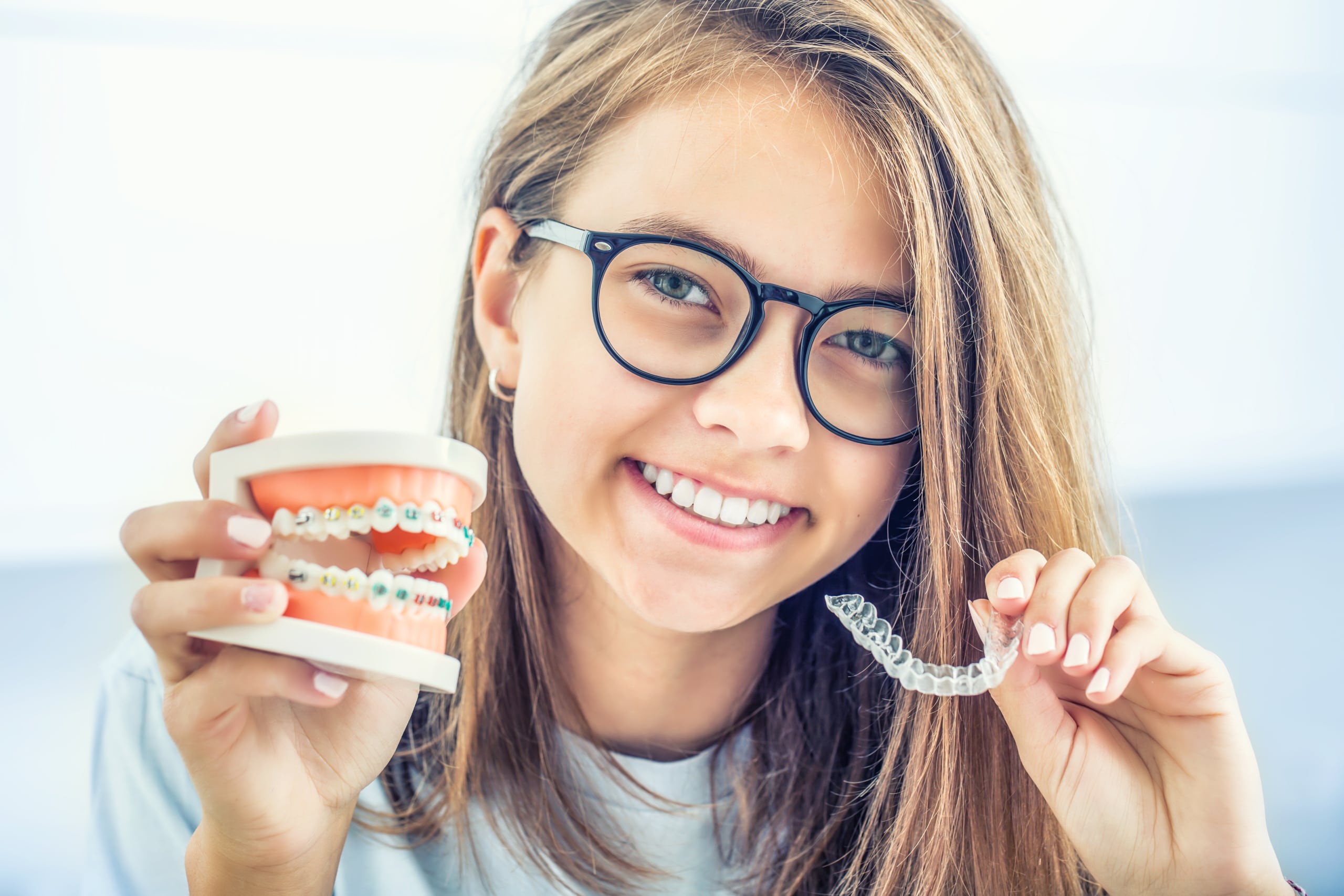
Braces and clear aligners in Renton help straighten teeth and correct bite issues for patients of all ages. Local orthodontists offer personalized treatment plans, including traditional metal braces, ceramic braces, and Invisalign®, to fit your lifestyle and dental needs.
Selecting the appropriate orthodontic treatment requires clear information about each option. Braces and clear aligners in Renton offer distinct advantages and limitations. This article compares their mechanisms, clinical effectiveness, expected treatment times, and cost factors to help patients in Renton make an informed decision.
Misaligned teeth can cause functional issues and affect self-confidence. Braces, Invisalign, and other clear aligners provide clinically validated solutions tailored to individual needs. The following sections describe how each treatment works, which patients they suit, and how to preserve oral health during therapy.
Key Takeaways
- Braces and clear aligners both correct teeth alignment, but differ in visibility and comfort.
- Braces are more effective for severe misalignment, while aligners suit mild to moderate cases.
- Orthodontic Excellence offers personalized treatment plans tailored to each patient’s age, lifestyle, and smile goals.
- Our team at Orthodontic Excellence ensures regular check-ins and support for optimal comfort and progress.
- Clear aligners offer convenience with removability for eating and cleaning.
- Braces typically require 18–24 months, while aligners take 6–18 months.
- Costs for both treatments range from $3,000 to $8,000, depending on complexity.
- Clear aligners are suitable for adults and teens, but not all age groups.
- Maintaining oral hygiene is crucial during orthodontic treatment for optimal results.
- Choosing the right orthodontist involves checking qualifications and patient reviews.
What Are the Key Differences Between Braces and Clear Aligners?
Both systems aim to align teeth but employ different mechanics. Braces use bonded metal or ceramic brackets and archwires to apply continuous, controlled forces. Clear aligners use a sequence of custom-made, removable plastic trays that apply targeted pressure to move teeth incrementally.
Visibility and removability are primary practical differences. Fixed braces are more conspicuous, while clear aligners are designed to be discreet. Aligners can be removed for eating and oral hygiene, which simplifies cleaning compared with the care required around brackets and wires.
Patient comfort and clinical suitability differ as well. Many patients report greater initial comfort with aligners due to the absence of brackets. Conversely, braces provide greater control for complex tooth movements, so the optimal choice depends on the specific clinical requirements.
What Are the Cost Considerations for Braces and Clear Aligners in Renton?
Orthodontic costs in Renton vary by appliance, case complexity, and treatment length. Metal braces are usually the most affordable, ceramic braces cost more, and clear aligners typically range from $3,000 to $8,000.
Additional expenses may include retainers and follow-ups. Many practices, including Orthodontic Excellence, offer financing plans such as monthly payments or upfront discounts. Request a personalized estimate during your consultation to determine the exact cost for your treatment.
| Treatment Type | Average Cost Range | Factors Affecting Cost |
|---|---|---|
| Metal Braces | $3,000 – $7,000 | Complexity, duration |
| Ceramic Braces | $4,000 – $8,000 | Aesthetic materials |
| Clear Aligners | $3,000 – $8,000 | Brand, treatment plan |
This table summarizes average cost ranges to assist patients in comparing financial options for different orthodontic approaches.
How Do Braces Work to Correct Teeth Alignment?
Braces correct alignment by applying sustained, controlled pressure that guides teeth through bone remodeling. Brackets are bonded to teeth and connected by wires; adjustments alter the force vectors to achieve planned movement.
Treatment proceeds in phases: placement, periodic adjustments, and final removal when alignment objectives are met. Braces are effective for a broad range of conditions, including crowding, spacing, and bite discrepancies.
Regular orthodontic appointments are essential to adjust force application, monitor progress, and modify the treatment plan when needed to ensure predictable outcomes.
What Technology Powers Clear Aligner Treatments?
Clear aligner therapy is enabled by digital technologies that support precise, customized planning. The workflow starts with a digital scan or impression to create a 3D model of the teeth and surrounding structures.
High-resolution 3D imaging is central to aligner accuracy. Devices such as the iTero scanner capture detailed surface data of teeth and gingiva, enabling accurate fabrication of each aligner in the prescribed sequence.
Sequential customization is a key benefit: each aligner is designed for a short interval (commonly about two weeks) to produce gradual, controlled movement. This approach enhances treatment predictability and patient comfort.
Which Orthodontic Treatment Is More Effective: Braces or Clear Aligners?

Treatment effectiveness depends on the clinical presentation. Braces commonly offer superior control for severe misalignment, complex tooth rotations, and significant bite corrections. They remain the standard for many complex cases.
Clear aligners are well-suited to mild and moderate alignment issues and are preferred by many adults and teenagers for their aesthetic advantage. A diagnostic assessment by a qualified orthodontist determines which modality will achieve the best result.
At Orthodontic Excellence, we develop individualized treatment plans based on diagnostic data and patient goals. We provide complimentary consultations to review braces and clear aligners in Renton and recommend the most clinically appropriate pathway for each patient.
How Does Treatment Duration Compare Between Braces and Clear Aligners?
Average treatment time varies by appliance and case complexity. Typical fixed-appliance (braces) treatment ranges from 18 to 24 months, with adjustments scheduled to guide movement and monitor progress.
Clear aligner treatment commonly spans 6 to 18 months, depending on the severity of malalignment and strict adherence to wear protocols, typically 20 to 22 hours per day.
Patient age, dental health, and the selected treatment plan also influence total duration. Discuss these variables with your orthodontist to establish realistic timelines and milestones.
Are Clear Aligners Suitable for All Age Groups in Renton?
Clear aligners can serve a broad age range, but their suitability depends on dental development. For younger patients, treatment is generally recommended once permanent teeth have erupted to ensure predictable results.
Adolescents and adults often prefer aligners for their discreet appearance and removability, which supports hygiene and lifestyle needs. The aesthetic benefit is a common reason adults choose aligner therapy.
Final determination of suitability requires a clinical consultation in which the orthodontist assesses dental and skeletal maturity and recommends the appropriate appliance.
Caring for Braces vs. Clear Aligners
Keeping your teeth and gums healthy during orthodontic treatment is key to achieving the best results. For patients with braces, this means brushing and flossing carefully to prevent plaque buildup, avoiding hard or sticky foods that could damage the appliances, and attending regular orthodontic appointments for adjustments.
Those using clear aligners should wear them 20–22 hours a day, clean them gently, and store them safely when not in use. Continuing routine dental checkups throughout treatment helps protect oral health and supports smooth, predictable tooth movement.
Why Choose Orthodontic Excellence for Expert Orthodontic Care
At Orthodontic Excellence, your smile is guided by the expertise of Dr. Megha Anand, DMD, a board-certified orthodontist with specialized training and extensive experience in treating children, teens, and adults. Dr. Anand combines her clinical expertise with advanced technology, including the iTero Digital Scanner, to create precise 3D impressions, enhance treatment planning, and ensure highly accurate results.
By choosing Orthodontic Excellence, you benefit from a team that prioritizes personalized care, modern orthodontic techniques, and evidence-based treatments, delivering predictable, effective outcomes for every patient.
How Does Orthodontic Excellence Personalize Treatment Plans?
At Orthodontic Excellence, we begin with a comprehensive consultation to assess dental health, functional needs, and aesthetic objectives. This initial evaluation informs a customized plan.
We employ advanced imaging and diagnostic tools to generate a detailed treatment plan tailored to each patient. Regular reviews during treatment allow for timely adjustments to maintain progress toward the planned outcome.
Finding the Right Treatment at Orthodontic Excellence
The choice between braces and clear aligners depends on clinical needs, treatment goals, and patient preferences. Understanding differences in effectiveness, duration, and cost enables a reasoned decision. For personalized guidance, schedule a consultation with Dr. Megha Anand at Orthodontic Excellence to determine the best treatment option for your smile. Schedule a consultation today to take the first step toward a healthier, more confident smile!
Frequently Asked Questions
What age is appropriate to start orthodontic treatment with braces or clear aligners?
The recommended timing for orthodontic assessment is around age 7 to identify early concerns. Treatment with clear aligners is generally reserved for older children, adolescents, and adults once permanent dentition is established. A clinical evaluation determines the optimal timing for each patient.
How do lifestyle factors affect the choice between braces and clear aligners?
Lifestyle considerations influence appliance selection. Clear aligners suit active individuals who value removability for sports, meals, and oral hygiene. Fixed braces are less flexible but often better for complex corrective movements. Evaluate daily routines when discussing options with your orthodontist.
What should I expect during my first orthodontic consultation?
The initial consultation includes a clinical examination, diagnostic records such as X-rays and photographs, and a discussion of treatment options. The orthodontist will propose a personalized plan, explain expected timelines and costs, and address your questions.
Are there any dietary restrictions during orthodontic treatment?
Dietary guidance depends on the appliance. Patients with braces should avoid hard, sticky, or chewy foods that can damage hardware. Aligner wearers should remove trays for eating and avoid beverages that may stain them. Following dietary recommendations preserves appliance integrity and oral health.
How can I manage discomfort during orthodontic treatment?
Discomfort is usually manageable with over-the-counter analgesics, soft foods, and orthodontic wax for bracket irritation. If pain is persistent or severe, contact your orthodontist for tailored management.
What happens if I don’t wear my clear aligners as directed?
Inadequate aligner wear slows tooth movement and can prolong or compromise treatment. Failure to wear aligners for the prescribed 20–22 hours per day may require additional adjustments or new aligners. Maintain communication with your orthodontist if adherence is challenging.

