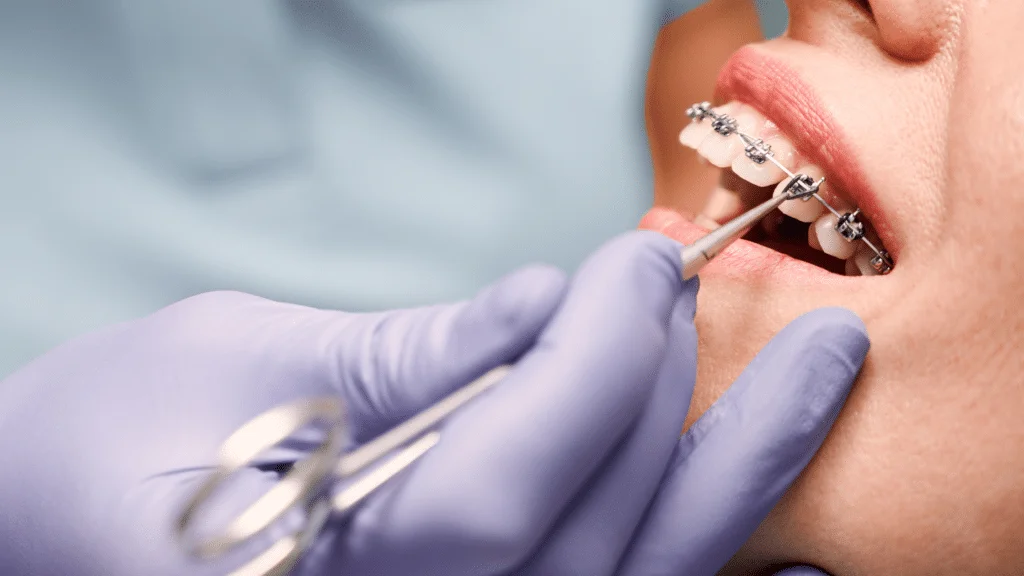
Braces offered in Issaquah correct misaligned teeth, overcrowding, and bite issues for children and adults. Treatment times and options vary depending on your dental needs, but modern braces are more comfortable and effective than ever.
Selecting the appropriate braces option matters for both teenagers and adults. Understanding each option’s benefits, limitations, and likely outcomes helps patients choose a treatment that matches their needs and expectations. This article reviews leading braces options available in Issaquah through Orthodontic Excellence. It explains types of braces, outlines the treatment process, and summarizes costs and payment options so readers can make informed decisions.
Key Takeaways
- We offer metal, ceramic, and clear aligners for teens and adults in Issaquah.
- Metal braces are effective for complex cases but are more noticeable than other options.
- Ceramic braces are less visible but can be more fragile and prone to staining.
- Clear aligners provide a discreet, comfortable option that fits easily into your daily routine.
- We offer tailored treatment plans, beginning with a comprehensive initial consultation.
- Orthodontic treatment duration varies by brace type and patient compliance with guidelines.
- Braces available in Issaquah range from $3,000 to $8,000, with several payment plans offered.
- Maintaining oral health with braces involves specific brushing and flossing techniques.
- Orthodontic Excellence emphasizes patient-centered care with modern orthodontic treatment options.
What Are the Best Types of Braces for Teens and Adults in Issaquah?
When evaluating braces, consider visibility, comfort, and the complexity of the dental issue. The principal options are:
- Metal Braces: Traditional metal braces are highly effective for correcting a wide range of dental issues. They consist of metal brackets and wires that work together to gradually shift teeth into the desired position.
- Ceramic Braces: These braces function similarly to metal braces but use clear or tooth-colored materials, making them less noticeable. They are a popular choice for adults who prefer a more discreet option.
- Clear Aligners: Clear aligners, such as Invisalign, offer a removable and nearly invisible alternative to traditional braces. They are custom-made to fit snugly over the teeth and are ideal for mild to moderate orthodontic issues.
Orthodontic Excellence provides a complimentary consultation to determine the most appropriate option for each patient. The consultation produces tailored recommendations based on clinical evaluation and patient goals.
Comparing Metal, Ceramic, and Clear Aligners for Different Age Groups
Recognizing the differences among metal braces, ceramic braces, and clear aligners is essential to match treatment to age, lifestyle, and clinical need. Each option has distinct advantages and limitations that affect comfort, aesthetics, and treatment scope.
| Braces Type | Pros | Cons |
|---|---|---|
| Metal Braces | Highly effective for complex cases, durable | Noticeable appearance, potential discomfort |
| Ceramic Braces | Less visible, effective for most cases | More fragile, may stain over time |
| Clear Aligners | Discreet, removable for easy cleaning | Not recommended for severe cases and requires patient discipline. |
Metal braces are commonly recommended for younger patients with complex needs. Ceramic braces suit older teens and adults who prefer reduced visibility. Clear aligners are often selected by adults seeking a discreet, removable option for mild to moderate corrections.
How Clear Aligners Offer Aesthetic and Comfortable Treatment Alternatives
Clear aligners present a contemporary approach emphasizing patient comfort. They are made from smooth, transparent plastic and fit closely to the teeth, minimizing their visibility.
The benefits of clear aligners include:
- Comfort: The smooth plastic material reduces irritation to the gums and cheeks, making them more comfortable than traditional braces.
- Removability: Patients can remove aligners for eating, brushing, and flossing, helping maintain oral health throughout the treatment process.
These characteristics make clear aligners a suitable option for patients who prioritize aesthetics and ease of care during orthodontic treatment.
How Much Do Braces Cost in Issaquah?
Estimating the cost of braces helps patients plan financially. Prices vary with the chosen appliance and the complexity of the treatment required.
Braces in Issaquah typically cost:
- Metal Braces: $3,000 – $7,000
- Ceramic Braces: $4,000 – $8,000
- Clear Aligners: $3,500 – $8,000
We discuss financing and insurance options during the consultation to identify a suitable payment approach for each patient.
How to Maintain Oral Hygiene with Braces for Teens and Adults?
Maintaining oral health during orthodontic treatment reduces the risk of cavities and gum disease. The following practices support dental care while wearing braces:
- Brushing Techniques: Use a soft-bristled toothbrush and fluoride toothpaste to brush teeth after every meal.
- Flossing Methods: Utilize orthodontic flossers or floss threaders to clean between brackets and wires effectively.
- Diet Considerations: Avoid sticky and hard foods that can damage braces and lead to plaque buildup.
Consistent hygiene and dietary precautions help preserve oral health and protect treatment progress.
Preventing Common Issues While Wearing Braces
Many common problems with braces are preventable through attentive care and adherence to clinical advice. Practical steps reduce the likelihood of treatment interruptions.
- Oral Care Tips: Brushing and flossing consistently can help prevent plaque buildup and cavities.
- Avoiding Certain Foods: Steer clear of hard, sticky, or chewy foods that can damage braces.
- Managing Discomfort: Use over-the-counter pain relief as needed and consult the orthodontist for persistent issues.
Proactive behavior minimizes complications and supports a smoother, more efficient orthodontic course.
Why Choose Us as Your Trusted Orthodontist in Issaquah?
Selecting an experienced orthodontic provider is fundamental to achieving reliable results. We combine clinical expertise with contemporary treatment options to address diverse orthodontic needs.
- Expert-Led Care: The team is dedicated to providing high-quality orthodontic care tailored to each patient’s needs.
- Modern Treatment Options: We offer a range of brace options, including the latest advancements in clear aligners.
- Patient-Focused Approach: The practice prioritizes patient comfort and satisfaction, ensuring a positive experience throughout treatment.
These attributes support consistent, patient-centered care for individuals seeking orthodontic treatment in Issaquah.
Schedule Your Braces Consultation Today!
Selecting the right braces at Orthodontic Excellence with Dr. Megha Anand can improve comfort and treatment effectiveness while aligning with your lifestyle and aesthetic goals. With options that include metal, ceramic, and clear aligners, patients can choose an approach that meets their clinical needs. Our team provides guidance throughout the process to support informed decisions and predictable results. Schedule your appointment today and take the first step toward a confident, beautiful smile!
Frequently Asked Questions
What factors should I consider when choosing between metal, ceramic, and clear aligners?
Select an option based on your clinical needs, aesthetic priorities, and lifestyle. Metal braces are suited to complex corrections. Ceramic braces reduce visibility but may be more delicate. Clear aligners offer discretion and removability but require consistent wear for effective results.
How can I manage discomfort during orthodontic treatment?
Mild discomfort after adjustments is common. Use over-the-counter analgesics as directed and apply orthodontic wax to reduce soft-tissue irritation. Eating soft foods for a few days after adjustments can also help. Contact your orthodontist if pain is severe or persistent.
Are there any dietary restrictions while wearing braces?
Yes. Avoid hard foods (for example, nuts and hard candies) and sticky items (such as caramel and chewing gum) that can break brackets or adhere to appliances. Opt for softer foods and smaller bites to keep your braces safe and your teeth healthy.
How often will I need to visit the orthodontist during treatment?
Routine visits typically occur every 4 to 8 weeks so the orthodontist can monitor progress and make adjustments. Visit frequency may vary by appliance type and case complexity. Attending scheduled appointments is essential to keep treatment on schedule.
What should I do if a bracket or wire breaks?
If a bracket or wire breaks, contact your orthodontist promptly for guidance. Use orthodontic wax to cover sharp edges temporarily and avoid attempting repairs yourself. The practice will schedule a repair appointment to restore the treatment mechanics.
Can I still play sports while wearing braces?
Yes. Participation in sports is generally safe with appropriate protection. Use a mouthguard designed to accommodate braces to protect teeth and soft tissues. Consult your orthodontist for recommendations on suitable protective gear.
How can I ensure my treatment stays on track?
Follow the orthodontist’s instructions, wear appliances as prescribed, and attend all appointments. Take care of your teeth and avoid foods that could harm your braces. Report any concerns early so the care team can address them and keep the treatment progressing.

