What You Need to Know Before Chewing Anything with Invisalign
Many people ask, “Can you chew gum with Invisalign?” the moment they start treatment. It’s a normal question, especially when you’re adjusting to life with clear aligners and trying to figure out what fits into your daily routine. You want treatment to go smoothly, and you also want to keep small comforts like gum without creating problems.
Here, you’ll learn how gum affects Invisalign, what orthodontists recommend, and what you can do instead. This sets the stage for a clearer understanding of how to protect your aligners while keeping your smile on track.
Why Chewing Matters During Invisalign Treatment
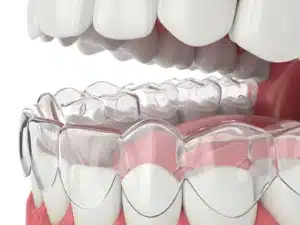
Chewing plays a bigger role in treatment than most people think. Clear aligners need to stay in good condition to keep teeth moving correctly, and anything that affects their shape or fit can slow progress. Many patients are surprised by how small habits can have a real impact on their results.
Some actions can put pressure on the plastic trays and change how they sit on your teeth. Here are a few examples you should keep in mind:
- Biting down too hard on sticky foods
- Chewing on objects like pens or ice
- Eating or chewing with aligners still in place
Choices that seem simple can cause damage or alter the aligners, so understanding these small details helps keep treatment moving in the right direction.
What Orthodontists Really Say About Gum and Invisalign
Orthodontists are very clear about one thing: aligners work only when they stay clean, firm, and well-fitted. Gum gets in the way of all three. It sticks to the plastic, pulls at the edges, and can create small bends you may not notice at first. Over time, those minor changes can slow tooth movement.
Most orthodontists explain that whether or not you can chew gum with Invisalign comes down to how much risk you want to add to your treatment. Even sugar-free gum softens and stretches with heat, and that motion transfers to the trays. Once aligners lose their shape, they won’t guide teeth the way they’re designed to.
Here are some common concerns orthodontists mention:
- Gum can cling to the inside of the trays and leave residue.
- Chewing creates force that can warp thinner areas of the aligners.
- The constant motion can loosen how the trays grip your teeth.
Patients often find it easier to remove gum entirely during treatment to avoid these issues.
Safe Alternatives When You Want Something to Chew
Adjusting your habits can feel difficult at first, especially if chewing helps you focus or ease tension. During Invisalign treatment, small changes can make the process smoother and protect your trays from unnecessary wear. Using safer options keeps your aligners clean and maintains their shape.
You might still wonder if you can chew gum with Invisalign during certain moments. Most orthodontists suggest finding substitutes instead, since they reduce the chance of residue or pressure on your trays. This is also where gum alternatives for Invisalign become useful for patients who want something mild to chew.
Here are some options many patients find helpful:
- Sugar-free mints that dissolve rather than require chewing
- Cold water or ice chips that do not apply heavy pressure
- Soft chewable supplements that can be taken after removing aligners
These choices make it easier to stay comfortable while protecting your treatment progress.
Habits That Help Protect Your Aligners
Building a few simple habits can keep your trays in good condition and support steady progress. Aligners are strong, but they can still lose their shape if exposed to too much pressure or heat. Being consistent with your routine makes a real difference over the course of treatment.
Many patients look for ways to keep treatment comfortable while still maintaining their usual routines. Dentists often point out that focusing on daily care is more effective than trying to make certain chewing habits work with aligners. This is also a good time to remember how Invisalign do’s and don’ts can help guide everyday decisions.
Here are habits that support a smooth experience:
- Remove aligners before chewing anything
- Store trays in the case to avoid bending or warping
- Rinse and clean them regularly to prevent buildup
These small steps help protect the aligners and keep your treatment on track.

How Invisalign Works During Treatment
Invisalign uses a series of clear trays that shift your teeth in small, controlled steps. Each set is designed to move your teeth a little closer to their final position. You switch to the next tray after a set period, allowing steady progress without wires or brackets.
For the system to work well, the trays must stay clean, firm, and properly shaped. Any pressure or residue that changes their fit can slow movement, so daily care plays an important role in your results.
FAQs About Chewing, Eating, and Invisalign
Can I eat right after putting in a new set of aligners?
You can eat after you remove the trays. Some patients feel mild pressure with new aligners, so softer foods may feel more comfortable. Always remove the trays before chewing.
Does chewing help my teeth move faster with aligners?
Chewing does not increase the speed of tooth movement. The aligners work through steady, controlled pressure, and adding extra force can disrupt their fit.
Can aligners crack from regular chewing habits?
Yes, aligners can crack if exposed to strong or repetitive pressure. Even small cracks can weaken the trays and affect how well they guide your teeth.
Is it fine to use breath fresheners during treatment?
Yes, as long as they are mints that dissolve. Hard candies or items that require chewing can put stress on the trays if you forget to remove them.
How often should I clean my aligners to avoid buildup?
Clean them at least twice a day and rinse them each time you remove them. Good hygiene keeps the trays clear and prevents odors or staining.
Get to Know the Newcastle Team at Orthodontic Excellence
Orthodontic Excellence is a trusted provider for patients in Newcastle and nearby communities. Dr. Megha Anand and her team focus on comfort, quality, and a positive experience from start to finish. They use modern technology and stay active in local events to support the families they serve.
Start your smile transformation with a team committed to your care. Contact Orthodontic Excellence today to schedule your visit.